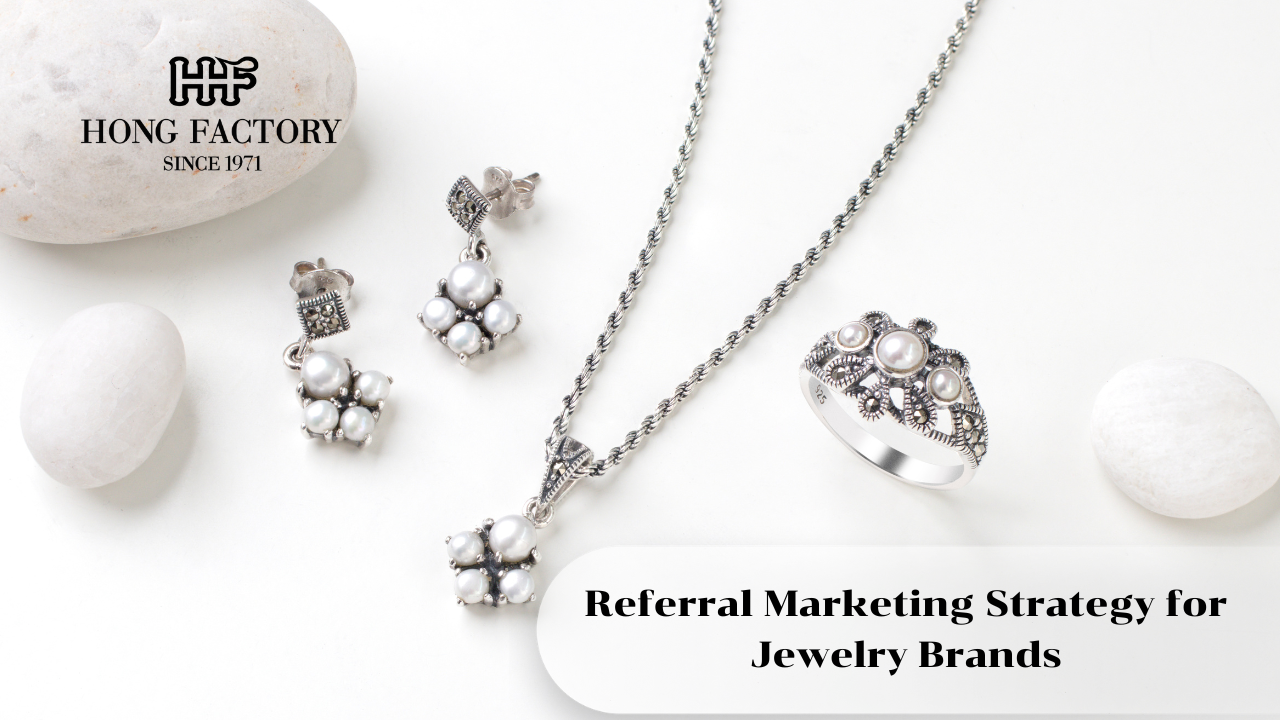
Referral marketing is one of the most trusted and cost-effective growth channels for jewelry brands. In the marcasite jewelry niche—where trust, personal recommendation, and perceived quality strongly influence buying decisions—a well-designed referral marketing strategy for jewelry brands leverages satisfied customers to attract new, high-quality buyers organically. mood ring color meanings
This article explains how marcasite jewelry brands can build, manage, and scale referral programs that drive sustainable growth while reinforcing brand credibility.
Why Referral Marketing Matters for Jewelry Brands

Referrals carry built-in trust.
Key Benefits of Referral Marketing
- Higher conversion rates than paid channels
- Lower customer acquisition costs
- Stronger brand trust and credibility
- Increased lifetime value of referred customers
For jewelry brands, personal recommendations reduce purchase hesitation.
Understanding Referral Behavior in Jewelry Purchases
Jewelry referrals are emotion-driven.
Common Referral Motivations
- Pride in sharing a trusted brand
- Positive unboxing and wearing experiences
- Confidence in product quality and service
Referral strategies should tap into these motivations.
Designing an Effective Jewelry Referral Program
Program design determines success.
Core Elements of a Referral Program
- Clear value for both referrer and referee
- Simple participation process
- Transparent reward structure
Ease of use encourages participation.
Choosing the Right Referral Incentives
Incentives should match brand positioning.
Jewelry Referral Incentive Ideas
- Store credit or loyalty points
- Exclusive gifts or limited-edition items
- Early access to new collections
Meaningful rewards outperform heavy discounts.
Referral Program Structure Options
Structure affects scalability.
Common Referral Models
- One-sided rewards (referrer only)
- Two-sided rewards (referrer and referee)
- Tiered referral rewards
Choose a model aligned with brand goals.
Integrating Referral Marketing with Loyalty Programs
Integration strengthens retention.
Integration Benefits
- Unified customer reward experience
- Easier tracking of advocacy behavior
- Increased repeat engagement
Referral and loyalty programs work best together.
Referral Marketing for Wholesale and B2B Jewelry
Referrals also drive B2B growth.
B2B Referral Use Cases
- Retailer-to-retailer referrals
- Designer and stylist recommendations
- Trade partner introductions
Professional incentives support partnerships.
Promoting Referral Programs Effectively
Visibility drives adoption.
Referral Promotion Channels
- Post-purchase emails
- Customer account dashboards
- Packaging inserts and thank-you notes
Subtle promotion maintains brand elegance.
Referral Marketing Through Social Sharing
Social sharing amplifies reach.
Social Referral Best Practices
- Easy shareable referral links
- Pre-written, brand-aligned messages
- Encouragement without pressure
Social sharing extends organic reach.
Tracking and Managing Referral Performance
Measurement ensures optimization.
Key Referral Metrics
- Referral participation rate
- Conversion rate of referred customers
- Average order value of referrals
Data reveals program effectiveness.
Avoiding Common Referral Marketing Mistakes
Mistakes reduce trust.
Mistakes to Avoid
- Complicated referral processes
- Rewards that feel cheap or misaligned
- Over-promotion of referral incentives
Thoughtful execution protects brand value.
Aligning Referral Marketing with Brand Identity
Referrals reflect brand values.
Brand Alignment Practices
- Maintain refined tone and visuals
- Emphasize appreciation, not incentives
- Reinforce craftsmanship and trust
Alignment preserves long-term credibility.
Scaling Referral Marketing Over Time
Growth requires structure.
Scaling Strategies
- Automate referral tracking
- Expand rewards thoughtfully
- Integrate referral insights into CRM
Systems support sustainable scaling.
Long-Term Value of Referral Marketing for Jewelry Brands
Referrals compound growth.
Strategic Benefits
- Stronger community and advocacy
- Higher-quality customer acquisition
- Reduced dependency on paid channels
Referral marketing becomes a brand asset.
Conclusion
A strategic referral marketing strategy for jewelry brands allows marcasite jewelry businesses to grow through trust-driven recommendations and authentic advocacy. By designing simple, brand-aligned referral programs, offering meaningful incentives, and integrating referrals with loyalty and CRM systems, brands can turn satisfied customers into powerful growth partners. In a relationship-based industry, referral marketing succeeds when it feels personal, genuine, and aligned with brand values.