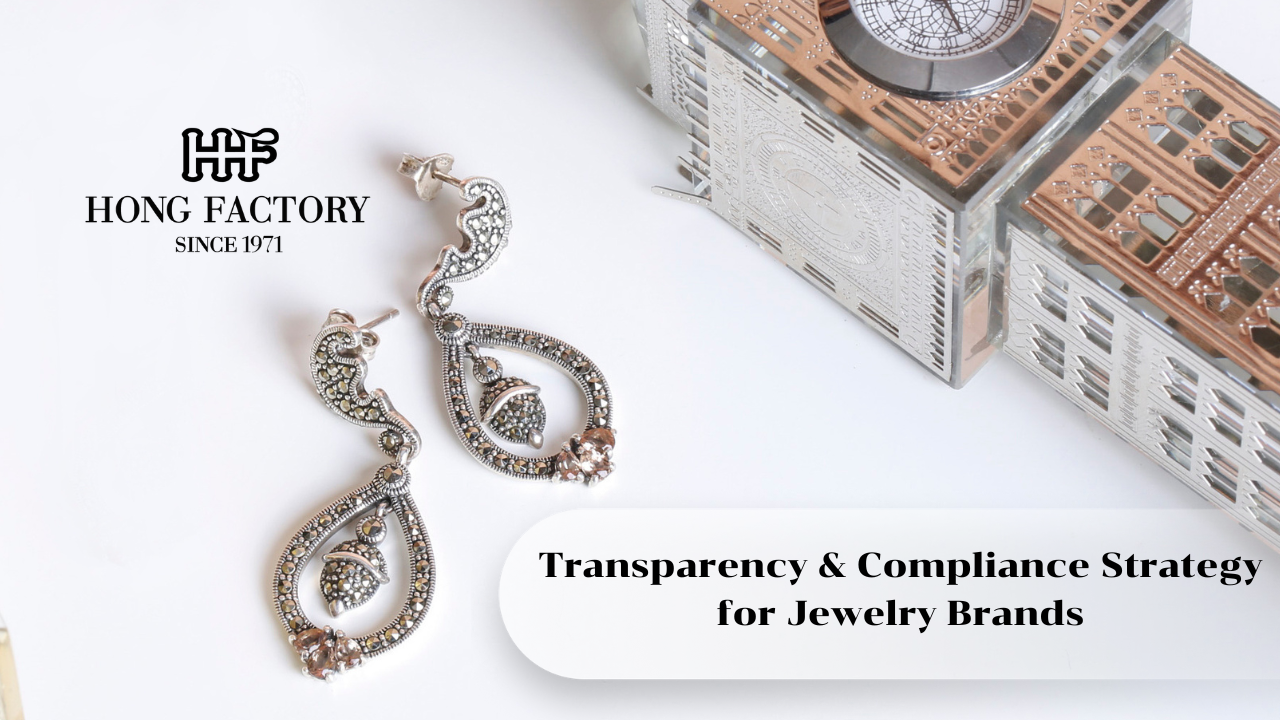
Transparency and compliance are essential pillars for building trust in the jewelry industry. In the marcasite jewelry niche—where customers and partners increasingly demand clarity about materials, sourcing, pricing, and business practices—a robust transparency & compliance strategy for jewelry brands protects brand credibility, reduces risk, and supports sustainable growth.
This article explains how marcasite jewelry brands can design, implement, and scale transparency and compliance practices that strengthen trust with customers, wholesalers, and regulators alike. mood ring color meanings
Why Transparency & Compliance Matter for Jewelry Brands

Trust is built on clarity and accountability.
Key Benefits of Transparency and Compliance
- Increased customer confidence and loyalty
- Reduced legal and regulatory risk
- Stronger wholesale and B2B partnerships
- Long-term brand resilience and credibility
For jewelry brands, transparency is a competitive advantage, not a liability.
Understanding Transparency in the Jewelry Industry
Transparency extends beyond disclosure.
Core Areas of Transparency
- Material sourcing and origin
- Manufacturing and craftsmanship processes
- Pricing structure and value justification
- Business ethics and sustainability practices
Clear communication across these areas strengthens trust.
Compliance Requirements for Jewelry Brands
Compliance ensures lawful operations.
Common Compliance Areas
- Precious metals and hallmarking regulations
- Consumer protection and labeling laws
- Advertising and marketing compliance
- Data privacy and payment security standards
Staying compliant protects both customers and the brand.
Defining Transparency & Compliance Objectives
Objectives guide implementation.
Common Objectives
- Ensure accurate product representation
- Meet local and international regulations
- Standardize internal processes
- Improve stakeholder confidence
Clear goals prevent fragmented efforts.
Transparent Product Information Strategy
Product clarity reduces hesitation.
Product Transparency Best Practices
- Clear material and stone descriptions
- Accurate weight, size, and care details
- Honest photography and representation
Transparency supports informed purchasing.
Pricing Transparency in Jewelry Brands
Pricing clarity builds confidence.
Pricing Transparency Approaches
- Explain value through craftsmanship and materials
- Avoid hidden fees or unclear charges
- Communicate pricing policies consistently
Clarity reduces friction and complaints.
Supply Chain Transparency
Visibility builds accountability.
Supply Chain Transparency Practices
- Document sourcing and supplier standards
- Share high-level sourcing information publicly
- Maintain internal traceability systems
Supply chain clarity reinforces ethical positioning.
Compliance in Marketing and Advertising
Marketing must be truthful.
Marketing Compliance Best Practices
- Avoid misleading claims or exaggeration
- Ensure influencer and affiliate disclosures
- Maintain consistency between ads and product pages
Truthful marketing protects reputation.
Transparency for Wholesale and B2B Jewelry
B2B partners require clarity.
B2B Transparency Expectations
- Clear terms, pricing, and delivery policies
- Compliance documentation and certifications
- Open communication on sourcing and production
Transparency strengthens long-term partnerships.
Data Privacy and Customer Information Compliance
Data protection builds trust.
Data Compliance Practices
- Secure handling of customer data
- Compliance with privacy regulations
- Clear communication of privacy policies
Responsible data practices protect credibility.
Internal Processes and Documentation
Internal clarity supports external transparency.
Internal Transparency Practices
- Standard operating procedures (SOPs)
- Clear approval and documentation workflows
- Regular compliance reviews
Strong internal systems prevent errors.
Communicating Transparency to Customers
Communication must be accessible.
Transparency Communication Tips
- Use clear, non-technical language
- Provide FAQs and educational content
- Update customers on changes proactively
Accessible communication increases trust.
Audits, Reviews, and Continuous Compliance
Ongoing effort is required.
Continuous Compliance Practices
- Regular internal audits
- Supplier reviews and assessments
- Updating policies as regulations evolve
Consistency prevents compliance gaps.
Measuring Transparency & Compliance Performance

Measurement validates effectiveness.
Key Performance Indicators
- Customer trust and feedback metrics
- Compliance audit results
- Reduction in complaints or disputes
Metrics guide improvement.
Avoiding Common Transparency & Compliance Mistakes
Mistakes undermine trust.
Mistakes to Avoid
- Overpromising or vague claims
- Inconsistent information across channels
- Treating compliance as a one-time task
Consistency and honesty matter.
Aligning Transparency with Brand Identity
Transparency should feel authentic.
Brand Alignment Practices
- Integrate transparency into brand values
- Maintain consistent tone and openness
- Align internal behavior with external messaging
Alignment preserves credibility.
Scaling Transparency & Compliance Over Time
Growth increases responsibility.
Scaling Strategies
- Expand documentation and reporting systems
- Train teams regularly on compliance updates
- Communicate progress openly with stakeholders
Scalable systems support sustainable growth.
Long-Term Value of Transparency & Compliance for Jewelry Brands
Transparency compounds trust.
Strategic Benefits
- Stronger customer loyalty
- Reduced operational risk
- Enhanced brand authority
Transparency becomes a foundation of trust.
Conclusion
A strategic transparency and compliance approach for jewelry brands enables marcasite jewelry businesses to build trust, reduce risk, and support long-term credibility. By providing clear product information, maintaining ethical and legal standards, and communicating openly with customers and partners, brands can turn transparency into a powerful differentiator. In a trust-driven industry, transparency and compliance are not obligations—they are strategic assets.