Introduction
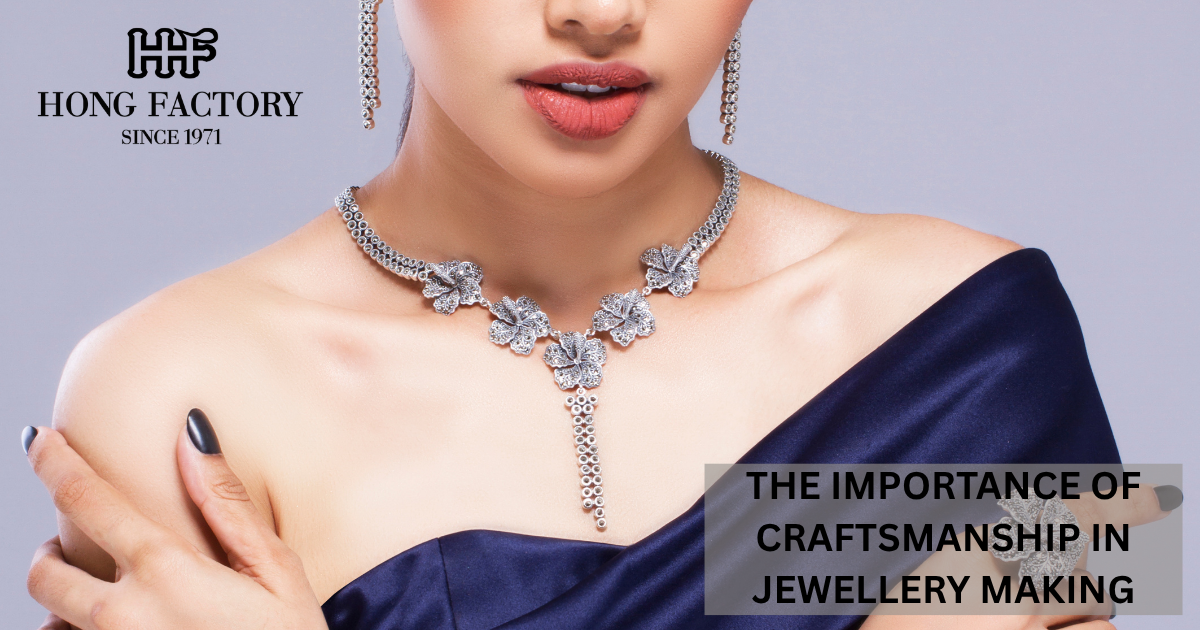
Jewellery is often admired for its beauty, elegance, and the precious materials used in its creation. However, behind every exceptional jewellery piece lies an equally important element: craftsmanship. While gemstones and precious metals contribute to a piece’s value, it is the skill, precision, and artistry of the jeweller that transforms raw materials into wearable works of art.
Craftsmanship has been the foundation of jewellery making for thousands of years. From ancient civilizations crafting gold ornaments by hand to modern artisans creating intricate custom designs, skilled workmanship remains essential to producing jewellery that is both beautiful and durable.
Today, consumers have access to a wide range of jewellery products, from mass-produced fashion accessories to handcrafted luxury creations. Understanding the importance of craftsmanship helps buyers appreciate quality, recognize value, and make informed purchasing decisions.
This guide explores the role of craftsmanship in jewellery making, why it matters, and how exceptional workmanship contributes to the beauty, durability, and long-term value of jewellery.
What Is Jewellery Craftsmanship?
Craftsmanship refers to the skill and expertise involved in creating jewellery.
More Than Manufacturing
Craftsmanship combines:
- Technical skill
- Artistic creativity
- Attention to detail
- Experience
These elements work together to produce exceptional jewellery.
Transforming Raw Materials
Jewellers transform materials such as:
- Gold
- Silver
- Platinum
- Gemstones
Into finished pieces that are both functional and beautiful.
Human Expertise
Even with modern technology, skilled human craftsmanship remains irreplaceable in many aspects of jewellery production.
Why Craftsmanship Matters
Quality craftsmanship influences every aspect of a jewellery piece.
Visual Appeal
Well-crafted jewellery appears:
- Balanced
- Refined
- Elegant
Attention to detail improves overall aesthetics.
Durability
Proper construction helps jewellery withstand daily wear.
Long-Term Value
High-quality workmanship often increases both financial and sentimental value.
Customer Satisfaction
Consumers generally enjoy jewellery more when it is comfortable, durable, and visually appealing.
The History of Jewellery Craftsmanship
Jewellery craftsmanship has evolved over thousands of years.
Ancient Civilizations
Early artisans created jewellery using simple tools and natural materials.
Examples include:
- Gold ornaments
- Beaded necklaces
- Stone carvings
These pieces demonstrated remarkable skill.
Medieval Craftsmanship
Jewellers refined techniques such as:
- Engraving
- Stone setting
- Metalworking
These innovations elevated jewellery design.
Modern Developments
Contemporary artisans combine traditional techniques with advanced technology.
This creates new creative possibilities.
The Role of Skilled Artisans
Artisans remain central to quality jewellery production.
Years of Training
Professional jewellers often spend years developing expertise.
Skills include:
- Metal shaping
- Stone setting
- Polishing
- Repair work
Artistic Vision
Artisans contribute creativity as well as technical ability.
Precision Work
Jewellery requires accuracy at extremely small scales.
This precision distinguishes quality craftsmanship.
Craftsmanship and Jewellery Design
Design and craftsmanship work together closely.
Bringing Ideas to Life
Design concepts become reality through skilled execution.
Technical Challenges
Complex designs often require advanced craftsmanship techniques.
Attention to Proportion
Well-crafted jewellery maintains visual balance and harmony.
These details enhance beauty.
Metalworking in Jewellery Making
Metalworking is one of the most important jewellery skills.
Shaping Precious Metals
Jewellers carefully shape:
- Gold
- Silver
- Platinum
Into finished forms.
Joining Components
Techniques such as soldering create strong and seamless connections.
Surface Finishing
Proper finishing enhances:
- Shine
- Texture
- Appearance
These details contribute to overall quality.
Gemstone Setting Craftsmanship
Stone setting requires exceptional precision.
Why Proper Settings Matter
Secure settings protect valuable gemstones.
Popular Setting Methods
Examples include:
- Prong settings
- Bezel settings
- Pavé settings
Each technique requires specialized skills.
Visual Impact
Well-set gemstones maximize brilliance and beauty.
Handcrafted Jewellery vs Mass Production
There are significant differences between handcrafted and mass-produced jewellery.
Handcrafted Jewellery
Benefits include:
- Unique character
- Individual attention
- Artistic value
These qualities appeal to many consumers.
Mass Production
Mass-produced jewellery offers:
- Consistency
- Affordability
- Accessibility
However, craftsmanship levels may vary.
Consumer Preferences
Some buyers prioritize uniqueness, while others focus on convenience and price.
Attention to Detail in Jewellery Making
Details often separate exceptional jewellery from average pieces.
Symmetry
Well-crafted jewellery displays proper balance and proportion.
Smooth Finishes
Comfortable surfaces improve wearability.
Consistency
Uniform quality reflects professional workmanship.
These small details significantly impact overall appearance.
Craftsmanship and Durability
Durability depends heavily on workmanship.
Structural Integrity
Proper construction reduces the risk of:
- Broken clasps
- Loose stones
- Weak connections
Daily Wear Performance
Quality jewellery remains attractive despite regular use.
Long-Term Reliability
Superior craftsmanship supports longevity.
Craftsmanship and Comfort
Comfort is an important yet often overlooked aspect of jewellery.
Proper Fit
Jewellery should fit securely without causing discomfort.
Smooth Edges
Well-finished edges prevent irritation.
Balanced Weight
Quality craftsmanship ensures comfortable wear.
These factors improve the user experience.
The Role of Polishing and Finishing
Finishing is a critical stage in jewellery production.
Enhancing Appearance
Polishing improves:
- Shine
- Reflectivity
- Visual appeal
Refining Details
Finishing highlights craftsmanship and design elements.
Professional Presentation
A polished piece creates a stronger first impression.
Custom Jewellery and Craftsmanship
Custom jewellery relies heavily on skilled workmanship.
Unique Designs
Custom projects often require specialized techniques.
Personal Collaboration
Artisans work closely with clients to create meaningful pieces.
Precision Execution
Custom jewellery demands exceptional attention to detail.
Craftsmanship in Luxury Jewellery
Luxury jewellery is often defined by superior craftsmanship.
High Standards
Luxury brands emphasize:
- Precision
- Quality
- Consistency
These standards justify premium pricing.
Hand-Finished Details
Many luxury pieces receive extensive hand-finishing.
Artistic Excellence
Luxury craftsmanship often approaches wearable art.
Craftsmanship and Jewellery Repairs
Repair work requires advanced skills.
Common Repairs
Examples include:
- Ring resizing
- Stone replacement
- Clasp repair
These tasks require expertise.
Preserving Value
Professional repairs help maintain appearance and functionality.
Extending Lifespan
Quality repairs allow jewellery to remain wearable for decades.
Evaluating Jewellery Craftsmanship
Consumers can learn to recognize quality.
Examine Stone Settings
Gemstones should appear secure and properly aligned.
Check Metal Finishing
Look for:
- Smooth surfaces
- Consistent polish
- Clean details
Assess Construction
Strong connections indicate careful workmanship.
These observations help evaluate quality.
Why Handmade Jewellery Remains Popular
Handmade jewellery continues attracting consumers.
Individual Character
No two handmade pieces are exactly identical.
Artisan Connection
Buyers often appreciate the human element behind handcrafted jewellery.
Artistic Value
Handmade jewellery frequently reflects creativity and originality.
Technology and Modern Craftsmanship
Technology supports modern jewellery making.
Computer-Aided Design
Digital tools improve precision and efficiency.
3D Printing
Complex designs become easier to produce.
Combining Old and New
Many artisans blend traditional craftsmanship with modern innovation.
This approach enhances possibilities.
Sustainability and Craftsmanship
Craftsmanship supports sustainable jewellery practices.
Long-Lasting Products
Well-made jewellery requires less frequent replacement.
Responsible Production
Skilled artisans often focus on quality rather than mass production.
Reduced Waste
Precision work minimizes material waste.
These benefits align with sustainability goals.
Craftsmanship and Emotional Value
Jewellery often carries emotional significance.
Personal Connections
Special pieces frequently mark important life events.
Family Heirlooms
Quality craftsmanship helps jewellery survive across generations.
Lasting Memories
Well-crafted jewellery becomes part of personal and family history.
Future of Jewellery Craftsmanship
Craftsmanship will remain important despite technological advances.
Growing Appreciation
Consumers increasingly value authenticity and quality.
Continued Innovation
New technologies will support creative possibilities.
Preservation of Traditional Skills
Many artisans continue protecting historical techniques.
These traditions remain important.
Why Craftsmanship Defines Quality Jewellery
Exceptional jewellery combines:
- Quality materials
- Skilled workmanship
- Thoughtful design
Without craftsmanship, even valuable materials cannot achieve their full potential.
This makes craftsmanship one of the most important factors in jewellery making.
Conclusion
The importance of craftsmanship in jewellery making cannot be overstated. While precious metals and gemstones contribute to beauty and value, it is skilled workmanship that transforms these materials into extraordinary pieces. Craftsmanship influences durability, comfort, appearance, functionality, and long-term value.
Whether purchasing a simple silver bracelet, a custom engagement ring, or a luxury gemstone necklace, understanding craftsmanship helps consumers appreciate the artistry behind jewellery and make more informed buying decisions. As technology continues to evolve, craftsmanship will remain the heart of exceptional jewellery design and production.