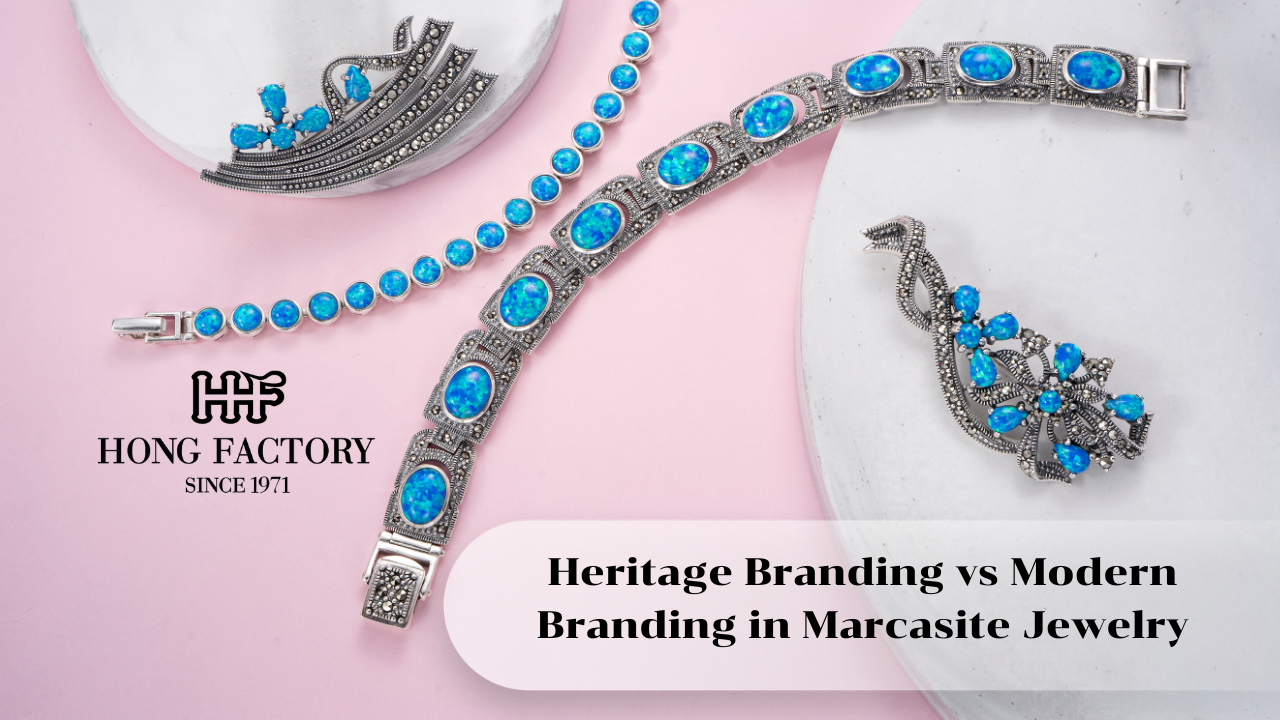
Heritage branding and modern branding represent two powerful—but very different—approaches to building a marcasite jewelry brand. Because marcasite jewelry is deeply connected to history, craftsmanship, and vintage aesthetics, many brands naturally lean toward heritage branding. At the same time, evolving consumer behavior, digital commerce, and global competition have pushed brands to adopt more modern branding strategies.
This article explores heritage branding vs modern branding in marcasite jewelry, comparing their strengths, limitations, and practical strategies for choosing—or combining—both approaches effectively. mood ring color meanings
Understanding Heritage Branding in Marcasite Jewelry
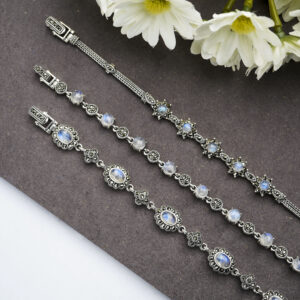
Heritage branding emphasizes tradition and continuity.
Core Characteristics of Heritage Branding
- Focus on history, legacy, and longevity
- Emphasis on traditional craftsmanship techniques
- Classic visual identity and muted color palettes
- Storytelling rooted in authenticity and time-tested value
For marcasite jewelry, heritage branding aligns naturally with vintage and antique-inspired designs.
Strengths of Heritage Branding
Heritage builds trust.
Advantages of a Heritage Approach
- Strong credibility and authenticity
- Emotional connection through history
- Appeal to mature and traditional buyers
- Support for premium or stable pricing
Heritage branding reassures customers that quality and values endure over time.
Limitations of Heritage Branding
Tradition alone may restrict growth.
Potential Challenges
- Perception of being outdated or conservative
- Limited appeal to younger audiences
- Slower adaptation to digital trends
Without evolution, heritage branding can become static.
Understanding Modern Branding in Marcasite Jewelry
Modern branding focuses on relevance and innovation.
Core Characteristics of Modern Branding
- Clean, contemporary visual design
- Digital-first communication
- Emphasis on lifestyle and self-expression
- Flexibility and trend responsiveness
Modern branding helps marcasite jewelry reach new audiences beyond traditional collectors.
Strengths of Modern Branding
Modern branding drives visibility.
Advantages of a Modern Approach
- Strong appeal to younger and global consumers
- Effective performance in digital marketing channels
- Easier integration with e-commerce and social media
- Perception of freshness and relevance
Modern branding supports growth in competitive online markets.
Limitations of Modern Branding
Modernity without substance can weaken trust.
Potential Risks
- Loss of heritage authenticity
- Over-reliance on trends
- Shorter brand lifespan if identity shifts too often
Without depth, modern branding may feel superficial.
Comparing Heritage and Modern Branding Side by Side
Each approach serves different objectives.
Key Differences
- Heritage branding emphasizes legacy; modern branding emphasizes relevance
- Heritage focuses on tradition; modern focuses on innovation
- Heritage appeals emotionally through history; modern appeals through lifestyle
Understanding these differences supports strategic choice.
Audience Considerations in Branding Choice
The target audience determines direction.
Audience Alignment
- Heritage branding resonates with vintage enthusiasts and mature buyers
- Modern branding attracts younger, digital-native consumers
Brands must choose based on who they serve—not personal preference.
Visual Identity: Classic vs Contemporary
Visuals signal brand intent.
Heritage Visual Elements
- Antique silver tones
- Serif or script typography
- Detailed ornamental motifs
Modern Visual Elements
- Minimalist layouts
- Clean typography
- High-contrast photography
Visual choices should reflect brand strategy.
Storytelling Differences Between the Two Approaches
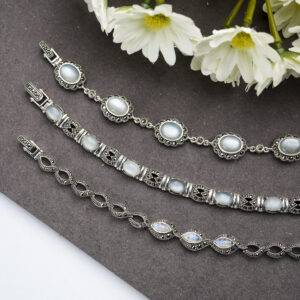
Stories shape perception.
Heritage Storytelling
- Focus on origins and craftsmanship history
- Emphasize continuity and tradition
Modern Storytelling
- Highlight personal expression and lifestyle
- Focus on how jewelry fits modern life
Both storytelling styles can be effective when used correctly.
Pricing and Positioning Implications
Branding influences pricing power.
Pricing Alignment
- Heritage branding supports premium stability
- Modern branding supports flexible and scalable pricing
Pricing must align with perceived brand value.
Digital Marketing Impact
Branding affects channel performance.
Digital Channel Compatibility
- Heritage branding excels in long-form content and storytelling
- Modern branding performs well in social media and short-form video
Understanding channel strengths improves results.
Hybrid Branding: Combining Heritage and Modern Elements
Many successful brands blend both.
Hybrid Branding Strategies
- Preserve craftsmanship stories while updating visuals
- Maintain heritage collections alongside modern lines
- Use modern channels to tell traditional stories
Hybrid branding offers balance and flexibility.
Case for Gradual Brand Evolution
Change should be intentional.
Safe Evolution Practices
- Refresh visuals without erasing core identity
- Introduce modern campaigns gradually
- Maintain consistent brand values
Gradual evolution protects loyalty.
Measuring Branding Effectiveness
Results must be monitored.
Key Branding Metrics
- Brand recognition and recall
- Engagement across age groups
- Conversion rates by channel
Data informs strategic refinement.
Common Branding Mistakes to Avoid
Misalignment damages credibility.
Mistakes to Avoid
- Mixing heritage and modern elements without strategy
- Abrupt rebranding without explanation
- Copying trends that conflict with brand values
Clarity prevents confusion.
Aligning Branding with Long-Term Vision
Branding is a long-term decision.
Strategic Alignment
- Supports global expansion
- Enhances customer loyalty
- Strengthens brand equity over time
Branding choices shape future potential.
Conclusion
Heritage branding and modern branding each offer unique advantages for marcasite jewelry brands. Heritage branding builds trust, authenticity, and timeless appeal, while modern branding drives relevance, digital performance, and global reach. The most resilient marcasite jewelry brands understand when to honor tradition, when to embrace innovation, and how to blend both approaches thoughtfully. In an industry rooted in craftsmanship yet shaped by evolving consumers, balanced branding is the key to enduring success.