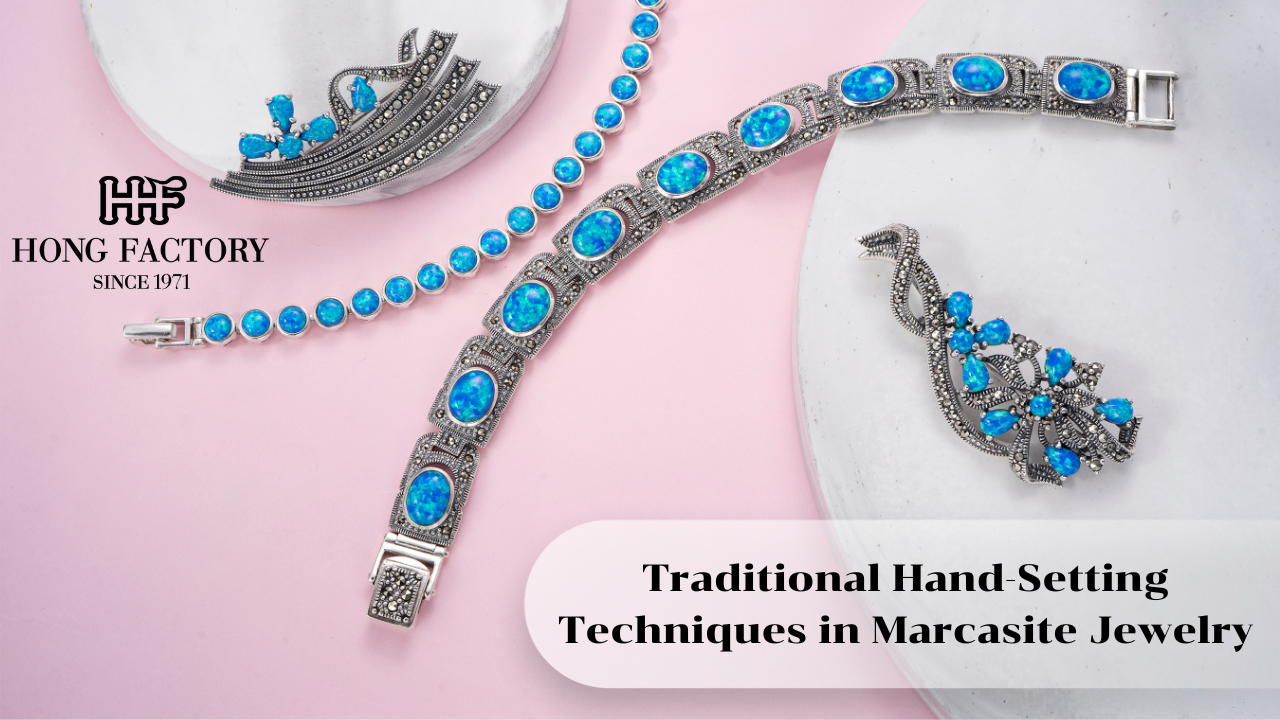
Marcasite jewelry is admired not only for its vintage beauty but also for the craftsmanship behind every piece. At the heart of this craftsmanship lies traditional hand-setting techniques—a meticulous process that has been passed down through generations of skilled artisans. Unlike mass-produced jewelry that relies on glue or machine settings, authentic marcasite jewelry depends on precision, patience, and human expertise.
This article explores traditional hand-setting techniques in marcasite jewelry, explaining how they work, why they matter, and how they contribute to durability, quality, and timeless appeal. mood ring color meanings
What Is Hand-Setting in Marcasite Jewelry?
Hand-setting is a manual technique in which each marcasite stone is placed and secured individually into the metal without the use of adhesives.
Key Characteristics of Hand-Setting
- Stones are set one by one
- Metal beads or prongs are formed directly from silver
- Requires magnification and specialized tools
- Relies entirely on artisan skill
This method distinguishes high-quality marcasite jewelry from cheaper alternatives.
Historical Origins of Hand-Setting Techniques
Hand-setting techniques developed long before modern machinery.
European Craft Traditions
In Europe, early silversmiths perfected hand-setting during the Victorian and Art Deco periods. The intricate designs of these eras demanded precise control over tiny stones—something only hand-setting could achieve.
Preservation Through Generations
These techniques were passed down through apprenticeships, ensuring consistency in quality and style. Even today, many workshops follow methods that are nearly unchanged from a century ago.
The Tools Used in Traditional Marcasite Hand-Setting
Hand-setting requires specialized tools rather than automated equipment.
Common Tools Include:
- Fine-point gravers
- Beading tools
- Precision tweezers
- Magnifying lenses or microscopes
- Small chasing hammers
Each tool plays a specific role in securing stones safely and accurately.
Step-by-Step Hand-Setting Process
The hand-setting process involves several careful stages.
1. Preparing the Silver Surface
The artisan begins by carving tiny holes or seats into the sterling silver. These seats must match the exact size of each marcasite stone.
Precision at this stage prevents stone movement later.
2. Placing the Marcasite Stone
Each stone is positioned using fine tweezers. Because marcasite stones are small and faceted, this step requires steady hands and excellent eyesight.
3. Forming the Metal Beads or Prongs
Using a beading tool, the artisan pushes small amounts of silver over the edges of the stone. These micro-beads act as prongs, locking the stone in place.
4. Securing and Aligning the Stone
The stone is checked for alignment and stability. Any unevenness is corrected immediately to ensure symmetry.
5. Finishing and Polishing
Once all stones are set, the piece is polished carefully. The goal is to enhance shine without loosening the settings.
Why Glue Is Not Used in Quality Marcasite Jewelry
Low-quality jewelry often uses adhesive to hold stones.
Problems with Glued Settings
- Stones loosen over time
- Adhesive degrades with moisture and heat
- Difficult or impossible to repair
Hand-setting eliminates these risks and significantly increases longevity.
The Role of Sterling Silver in Hand-Setting
Sterling silver (925) is essential to traditional marcasite techniques.
Why Silver Is Ideal
- Soft enough to form micro-beads
- Strong enough to hold stones securely
- Allows detailed carving and adjustment
Harder metals can crack stones or prevent proper bead formation.
Skill and Experience Required
Hand-setting is a skill that takes years to master.
Artisan Expertise Includes:
- Understanding stone behavior
- Maintaining consistent pressure
- Visual symmetry and balance
- Preventing stone damage
This level of expertise cannot be replicated by machines.
Durability and Longevity Benefits
Proper hand-setting directly affects durability.
Long-Term Advantages
- Stones remain secure for decades
- Reduced risk of loss
- Easier restoration and repair
Well-set marcasite jewelry can become an heirloom.
How Hand-Setting Affects Design Possibilities
Hand-setting allows for creative freedom.
Design Advantages
- Intricate patterns
- Dense stone arrangements
- Curved and organic shapes
These designs would be difficult or impossible with machine settings.
Identifying Hand-Set Marcasite Jewelry
Buyers can look for certain signs.
Indicators of Hand-Setting
- Uniform but slightly varied bead sizes
- Stones sit flush with the metal
- No visible glue residue
- Smooth yet detailed metalwork
These details signal quality craftsmanship.
Hand-Setting and Modern Production
Even with modern tools, hand-setting remains essential.
Technology as Support, Not Replacement
CAD design and laser cutting may assist preparation, but final stone-setting is still performed by hand in premium marcasite jewelry.
Cultural Importance of Hand-Setting
In many regions, hand-setting is a cultural heritage.
Southeast Asian Craftsmanship
Countries like Thailand are globally respected for their marcasite hand-setting expertise, supplying high-quality jewelry to international brands.
Why Traditional Hand-Setting Still Matters Today
In a fast-fashion world, hand-setting represents authenticity.
Consumer Values
- Appreciation for handmade products
- Desire for durability
- Interest in heritage craftsmanship
These values keep traditional techniques relevant.
Conclusion
Traditional hand-setting techniques are the foundation of authentic marcasite jewelry. This meticulous, skill-driven process ensures durability, beauty, and individuality in every piece. By relying on human expertise rather than shortcuts like glue or mass production, marcasite jewelry preserves its heritage and timeless appeal. Hand-setting is not just a technique—it is a commitment to quality, artistry, and enduring value.