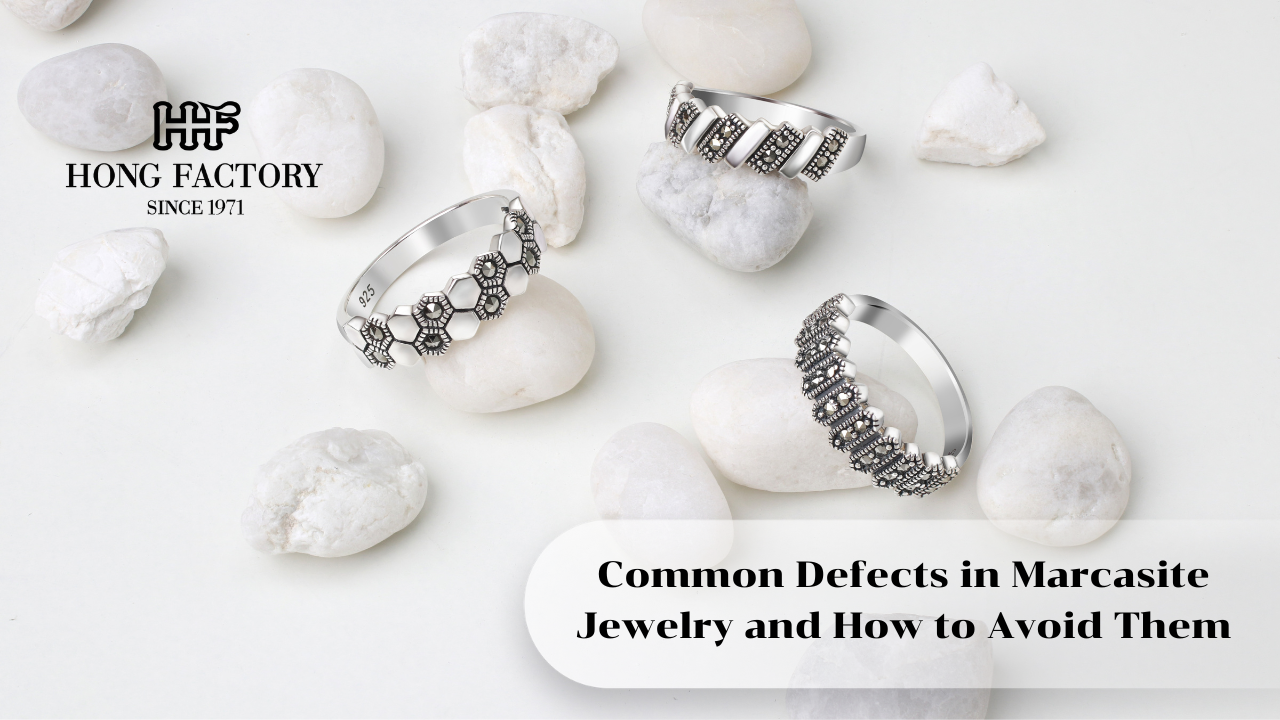
Marcasite jewelry is admired for its fine detail and handcrafted beauty, but because it relies on delicate materials and labor-intensive techniques, defects can occur if production standards are not carefully maintained. Understanding common defects in marcasite jewelry and how to avoid them helps manufacturers improve quality, buyers make informed decisions, and retailers protect brand reputation. mood ring color meanings
This article examines the most frequent issues found in marcasite jewelry, explains why they happen, and outlines best practices to prevent them.
Why Defects Occur in Marcasite Jewelry
Most defects are not caused by the material itself but by shortcomings in craftsmanship, tools, or quality control.
Key Risk Factors
- Inexperienced hand-setting
- Poor-quality silver alloy
- Inadequate inspection procedures
- Rushed production schedules
Recognizing these factors is the first step toward prevention.
Defect 1: Loose or Falling Stones
Loose stones are the most common complaint.
Causes
- Improperly cut stone seats
- Weak or uneven micro-beads
- Insufficient pressure during hand-setting
How to Avoid It
- Ensure accurate seat cutting
- Use experienced artisans for setting
- Perform stone security checks after setting and polishing
Proper hand-setting virtually eliminates this issue.
Defect 2: Crooked or Misaligned Stones
Even small alignment errors are noticeable.
Causes
- Incorrect marking of stone positions
- Uneven seat depth
- Rushed setting work
How to Avoid It
- Mark layouts precisely before setting
- Use magnification tools
- Inspect symmetry at multiple stages
Visual balance defines marcasite quality.
Defect 3: Visible Glue Residue
Glue indicates poor craftsmanship.
Causes
- Shortcut methods replacing hand-setting
- Attempted repairs without proper tools
How to Avoid It
- Use traditional metal bead setting only
- Reject any piece showing adhesive use
Authentic marcasite jewelry never relies on glue.
Defect 4: Cracked or Chipped Stones
Damaged stones reduce durability and beauty.
Causes
- Excessive pressure during setting
- Inferior stone quality
- Incorrect tool usage
How to Avoid It
- Train artisans in controlled setting techniques
- Inspect stones before and after setting
Careful handling protects stone integrity.
Defect 5: Thin or Weak Silver Structure
Structural weakness leads to deformation.
Causes
- Low silver content alloys
- Over-polishing
- Cost-cutting in metal weight
How to Avoid It
- Use proper sterling silver 925 standards
- Maintain minimum thickness guidelines
Strong foundations support long-term wear.
Defect 6: Poor Oxidation or Uneven Finish
Finishing affects first impressions.
Causes
- Inconsistent oxidation process
- Over-polishing that removes contrast
How to Avoid It
- Standardize oxidation timing
- Train polishers to preserve detail
Controlled finishing enhances design clarity.
Defect 7: Scratches and Surface Marks
Surface flaws reduce perceived value.
Causes
- Improper tool handling
- Inadequate cleaning between stages
How to Avoid It
- Use fine-grade polishing compounds
- Implement final visual inspection under magnification
Attention to surface detail elevates quality.
Defect 8: Weak Clasps, Hinges, or Posts
Functional failure affects usability.
Causes
- Thin components
- Poor soldering
- Lack of mechanical testing
How to Avoid It
- Test all moving parts
- Reinforce stress points
Functional quality is as important as appearance.
Defect 9: Inconsistent Stone Color or Size
Uniformity is essential.
Causes
- Mixed stone batches
- Lack of sorting standards
How to Avoid It
- Sort stones by size and tone
- Use matched sets for each piece
Consistency improves visual harmony.
Defect 10: Sharp Edges or Discomfort
Wearability issues reduce satisfaction.
Causes
- Poor edge finishing
- Rushed polishing
How to Avoid It
- Smooth all contact areas
- Perform comfort checks before packaging
Comfort defines long-term wear success.
Quality Control as the Primary Prevention Tool
Strong QC systems prevent defects.
Effective QC Practices
- Multi-stage inspections
- Magnification-based checks
- Clear rejection standards
Quality control is prevention, not correction.
Buyer Tips: How to Spot Defects
Buyers can protect themselves.
What to Look For
- Loose or uneven stones
- Visible glue
- Rough edges
- Weak clasps
Careful inspection ensures value.
Impact of Defects on Brand and Business
Defects affect trust.
Business Consequences
- Returns and repairs
- Reputation damage
- Loss of repeat customers
Preventing defects protects long-term success.
Training and Skill Development
Skilled artisans reduce defects.
Investment in Training
- Continuous skill development
- Quality awareness programs
Human skill remains the strongest defense.
Why Defect Prevention Adds Value
Flawless craftsmanship increases value.
Long-Term Benefits
- Higher perceived quality
- Longer product lifespan
- Stronger brand positioning
Prevention creates premium appeal.
Conclusion
Common defects in marcasite jewelry are almost always the result of compromised craftsmanship or insufficient quality control. By understanding these issues and implementing proper training, material standards, and inspection processes, manufacturers can significantly reduce defects. For buyers, recognizing these flaws ensures smarter purchasing decisions. Ultimately, defect prevention preserves the artistry, durability, and timeless elegance that define authentic marcasite jewelry.